
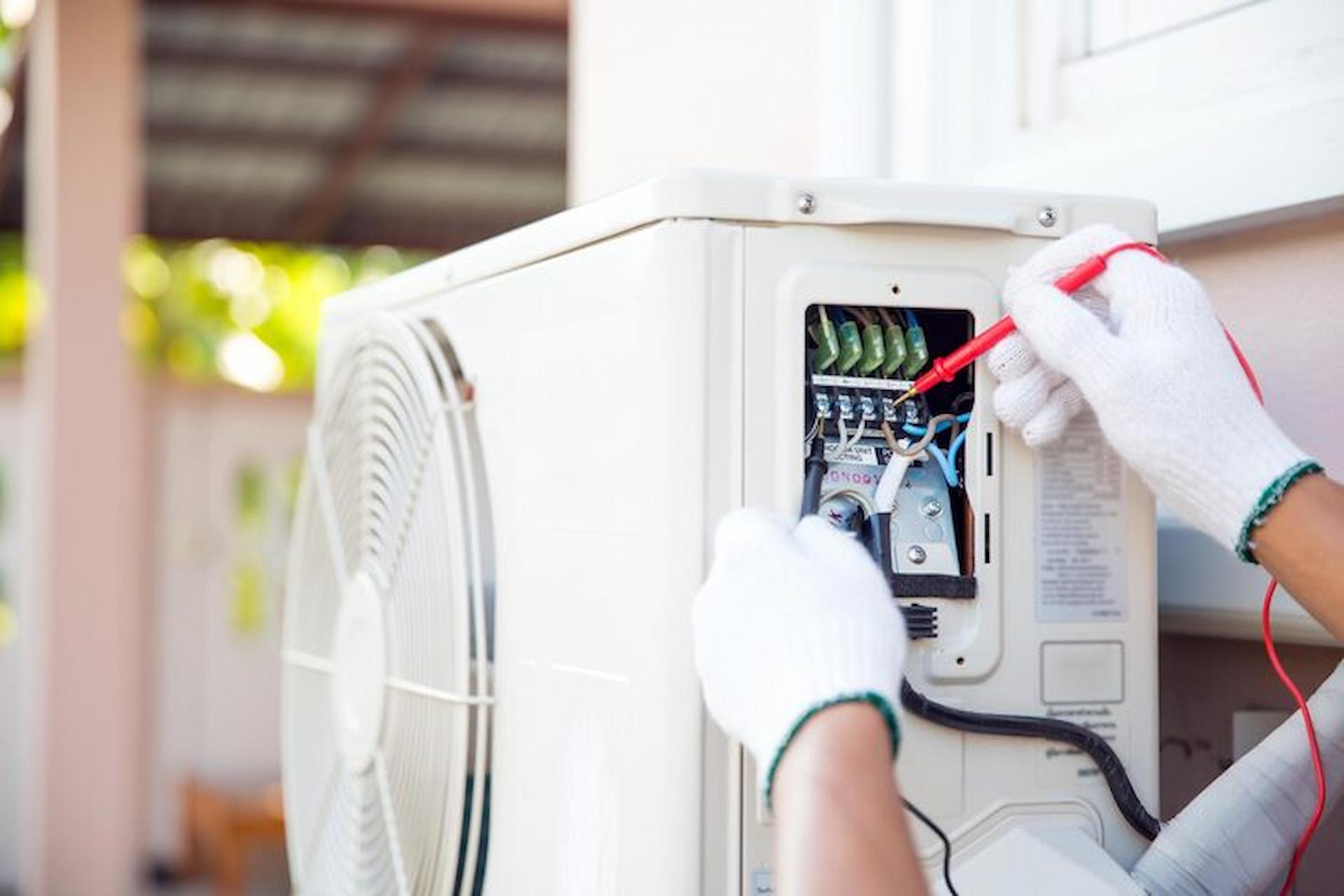
Modern homeowners are placing greater emphasis on comfort, energy efficiency, and long-term cost savings. While many people focus on purchasing high-quality heating and cooling equipment, proper HVAC planning is often overlooked. A well-planned HVAC system supports consistent indoor temperatures, lower utility bills, improved air quality, and reliable system performance. Without careful planning, homeowners may experience uneven comfort, excessive energy consumption, and expensive repairs that could have been avoided through a more strategic approach.
Many property owners researching air conditioner installation Milford, CT, discover that system selection alone does not guarantee efficiency. Proper HVAC planning involves evaluating home size, insulation levels, ductwork design, airflow requirements, and energy goals before installation begins. These factors work together to determine how effectively a heating and cooling system performs. A thoughtfully designed HVAC plan can prevent future problems while maximizing comfort and operational efficiency.
The Importance of HVAC System Sizing
One of the most common efficiency problems stems from improper system sizing. Many homeowners assume a larger unit will provide better cooling or heating, but oversized equipment often creates new challenges.
Why Oversized Systems Create Problems
An oversized air conditioner cools spaces too quickly, preventing proper humidity removal and causing frequent cycling. Short cycling increases wear on components and reduces overall efficiency. Undersized systems face the opposite issue, operating continuously while struggling to maintain comfortable indoor temperatures during extreme weather conditions.
Selecting the correct capacity requires a detailed load calculation that accounts for square footage, insulation quality, window placement, occupancy levels, and local climate conditions.
Ductwork Design Directly Impacts Efficiency
Even the most advanced HVAC equipment cannot perform efficiently if airflow is restricted or improperly distributed throughout the home.
Common Ductwork Issues
Poorly designed duct systems can create hot and cold spots, increase energy waste, and place unnecessary strain on HVAC components. Leaky ducts may allow conditioned air to escape into attics, crawl spaces, or wall cavities before reaching occupied areas.
Homeowners considering air conditioner installation Milford, CT, often benefit from a complete ductwork evaluation before upgrading equipment. Addressing airflow problems during installation helps improve comfort while reducing long-term operating costs.
Signs Your HVAC Plan May Need Improvement:
- Uneven room temperatures
- High monthly utility bills
- Excessive indoor humidity
- Frequent HVAC repairs
- Weak airflow from vents
- Constant system cycling
Recognizing these symptoms early can help homeowners avoid larger efficiency issues.
Insulation Plays a Critical Supporting Role
Heating and cooling systems work most effectively when paired with proper insulation. Without adequate insulation, conditioned air escapes easily, forcing HVAC equipment to operate longer and consume more energy.
How Insulation Supports HVAC Performance
Well-insulated walls, attics, and crawl spaces help stabilize indoor temperatures and reduce thermal transfer. This allows HVAC systems to maintain comfort levels with less effort, improving efficiency and extending equipment lifespan.
Combining HVAC upgrades with insulation improvements often delivers greater energy savings than replacing equipment alone.
Smart Thermostats Improve System Performance
Technology has become an important part of modern HVAC planning. Smart thermostats help homeowners optimize energy use while maintaining comfortable indoor environments.
Benefits of Smart Temperature Control
Programmable schedules, occupancy sensors, and remote access allow homeowners to manage energy consumption more effectively. Smart systems can automatically adjust temperatures based on household routines, reducing unnecessary operation and lowering utility expenses.
These tools also provide valuable performance insights that help identify potential system inefficiencies before they become costly problems.
Advantages of Strategic HVAC Planning:
- Reduced energy consumption
- Improved indoor comfort
- Better humidity control
- Lower repair expenses
- Longer equipment lifespan
- Enhanced indoor air quality
Proper planning creates benefits that extend far beyond installation day.
Ventilation Supports Indoor Air Quality
Heating and cooling systems influence more than temperature. They also play a major role in maintaining healthy indoor air quality throughout the home.
Why Ventilation Matters
Poor ventilation can allow allergens, dust, moisture, and airborne contaminants to accumulate indoors. Balanced airflow and effective filtration help improve air quality while supporting HVAC efficiency.
Modern HVAC planning often incorporates air purification systems, fresh air ventilation solutions, and high-efficiency filtration to create healthier living environments.
Preventing Future Repair Costs
Many costly HVAC repairs result from issues that could have been avoided through proper planning during installation or system upgrades.
Common Planning Mistakes
Improper equipment sizing, neglected ductwork issues, poor thermostat placement, and inadequate airflow management frequently contribute to premature system wear. Addressing these factors early reduces stress on critical components such as compressors, motors, and heat exchangers.
Preventative planning helps homeowners avoid unexpected breakdowns and emergency repair expenses later.
Energy Efficiency Increases Home Value
Energy-efficient homes continue to attract strong buyer interest. A properly planned HVAC system can contribute significantly to overall property value.
Why Buyers Appreciate Efficient HVAC Systems
Prospective buyers often consider utility costs, indoor comfort, and equipment age when evaluating a property. Efficient heating and cooling systems demonstrate responsible homeownership while offering long-term financial benefits.
Homes with modern HVAC technology, effective insulation, and optimized airflow frequently stand out in competitive real estate markets.
Features That Support Long-Term Efficiency:
- High-efficiency HVAC equipment
- Properly sealed ductwork
- Smart thermostat integration
- Balanced airflow design
- Effective insulation systems
- Indoor air quality enhancements
These features work together to support consistent performance and lower operating costs.
Professional Planning Delivers Better Results
Professional HVAC contractors bring valuable expertise to system design, installation, and optimization. Their assessments help identify opportunities to improve efficiency while avoiding common mistakes.
The Value of Expert Evaluation
Experienced professionals perform load calculations, inspect ductwork, evaluate insulation levels, and recommend equipment that aligns with household needs. This comprehensive approach ensures systems operate efficiently throughout their lifespan.
Investing in professional planning often prevents future problems while maximizing the return on HVAC upgrades.
Summary
Proper HVAC planning is one of the most effective ways to prevent costly home efficiency issues. By focusing on system sizing, ductwork design, insulation, ventilation, and smart technology integration, homeowners can achieve greater comfort, lower energy bills, and improved indoor air quality. Thoughtful planning also reduces repair risks and extends equipment lifespan. Whether installing a new system or upgrading existing equipment, a comprehensive HVAC strategy provides lasting value, helping homeowners create a more efficient, comfortable, and dependable living environment for years to come.
