
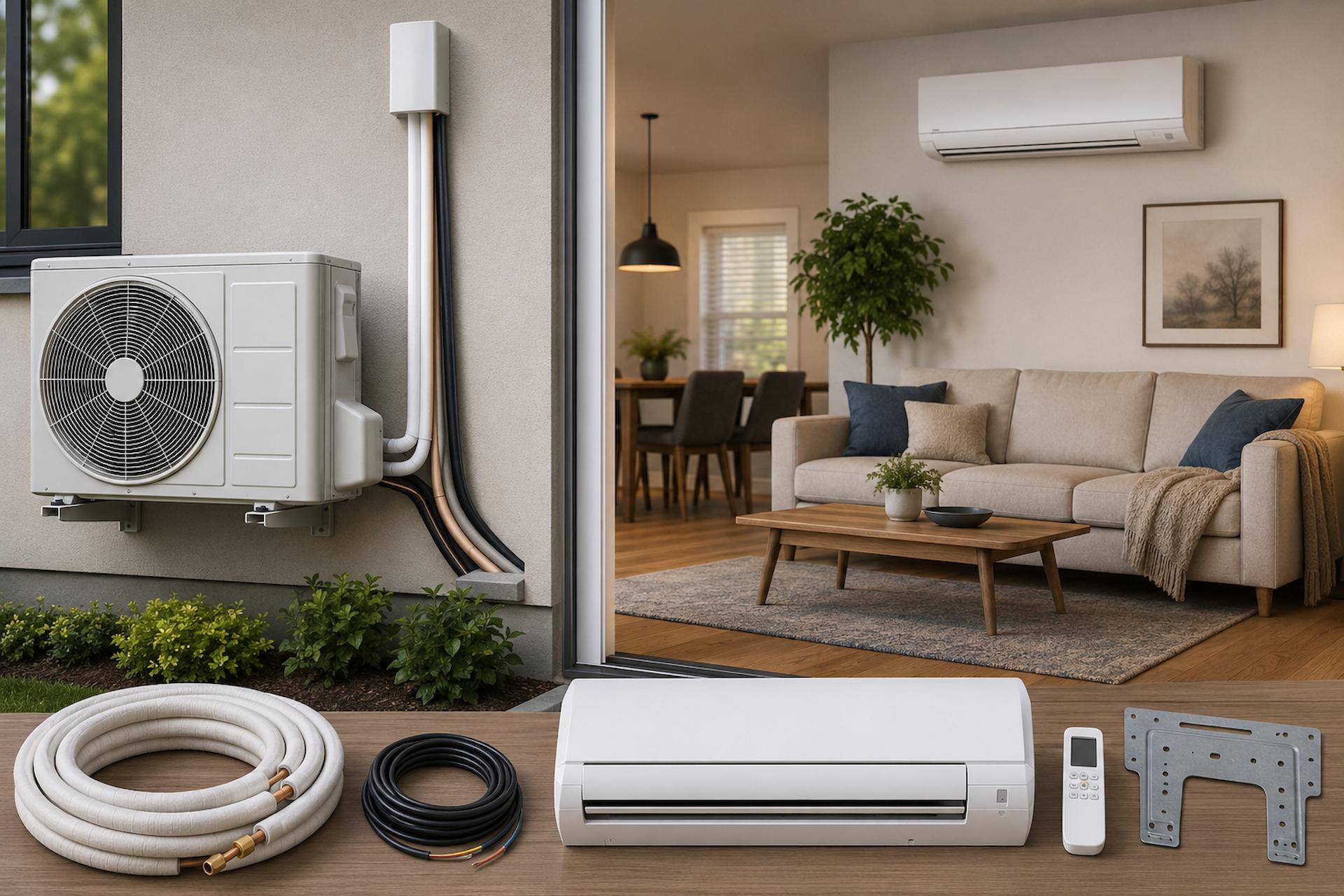
Traditional HVAC systems still dominate many homes, but ductless mini-split systems are rapidly changing how homeowners think about heating and cooling. Once viewed mainly as a solution for garages, additions, or small apartments, mini-splits are now being installed in full-size homes because of their flexibility, efficiency, and room-by-room comfort control.
For homeowners exploring energy-efficient upgrades, mini-splits offer a practical alternative to bulky ductwork and uneven airflow problems. They can improve comfort, reduce energy waste, and adapt well to both older homes and modern builds. However, choosing the right system involves more than simply picking a unit online and mounting it on a wall.
This guide breaks down the most important things to know before installing a ductless mini-split system, helping you understand how these systems work, where they perform best, what installation involves, and how to make a smart long-term investment.
1. Mini-Split Systems Work Without Traditional Ductwork
The biggest difference between a mini-split system and a central HVAC setup is the absence of ducts. Instead of pushing conditioned air through long duct networks, mini-splits deliver heating and cooling directly into specific rooms through indoor air handlers connected to an outdoor compressor.
This direct approach improves energy efficiency because conditioned air is not lost through leaky ducts. According to energy efficiency studies, poorly sealed duct systems can lose a significant percentage of heating and cooling energy before it ever reaches living spaces. Mini-splits avoid that problem entirely.
The setup also allows homeowners to install climate control in areas where ductwork would be expensive or impractical, such as older homes, attic conversions, sunrooms, workshops, or home offices.
2. Zone Control Is One of the Biggest Advantages
Mini-split systems allow independent temperature control in different areas of the home. Each indoor unit operates as its own zone, meaning family members can customize comfort levels without affecting the entire property.
This zoning capability solves one of the most common frustrations in traditional HVAC systems: uneven temperatures between rooms. Upstairs bedrooms can remain cooler at night while living areas stay warmer during the day. Rooms that are rarely used can also be adjusted independently to reduce unnecessary energy use.
For larger homes, multi-zone systems provide a level of flexibility that many central systems struggle to match. This personalized control is one reason ductless systems continue gaining popularity among homeowners focused on both comfort and efficiency.
3. Mini-Splits Can Heat and Cool Your Home
Many homeowners still assume mini-splits are cooling-only systems, but modern units provide both air conditioning and heating through heat pump technology.
During warmer months, the system removes indoor heat and transfers it outside. In colder weather, the process reverses, drawing heat from outdoor air and bringing it indoors. Advanced cold-climate mini-splits can continue operating efficiently even in freezing temperatures, making them practical in many regions that traditionally relied on furnaces.
This dual-purpose functionality reduces the need for separate heating and cooling equipment. In some homes, a properly designed mini-split setup can fully replace older HVAC systems while lowering operating costs over time.
4. Installation Is Faster Than Traditional HVAC Systems
One reason mini-splits appeal to homeowners is their relatively straightforward installation process compared to full-ducted systems.
Traditional HVAC installations may require extensive ductwork modifications, ceiling openings, or structural changes. Mini-splits usually need only a small wall penetration for refrigerant lines, wiring, and drainage tubing. Indoor units can often be mounted quickly with minimal disruption to the home.
That said, professional installation still matters. Proper refrigerant charging, electrical connections, condensate drainage, and line-set placement all directly affect long-term performance. A poorly installed mini-split can experience efficiency losses, refrigerant leaks, or premature system failure.
For most homeowners, installation quality is just as important as the brand itself.
5. There Are Multiple Indoor Unit Styles Available
Wall-mounted units are the most recognizable mini-split design, but they are far from the only option available today.
Ceiling cassette systems fit into suspended ceilings and distribute air more evenly across larger rooms. Floor-mounted units work well in spaces with limited wall availability or sloped ceilings. Concealed-duct mini-splits are also available for homeowners who want a less visible appearance while still maintaining zone-based control.
The right indoor unit depends on room layout, ceiling height, airflow needs, and design preferences. A professional load calculation and placement strategy helps ensure balanced performance throughout the home.
Choosing indoor units based only on appearance can lead to poor airflow and reduced comfort, so system design should always come first.
6. DIY Mini-Split Systems Are Growing in Popularity
Pre-charged DIY mini-split kits have become increasingly common, especially among homeowners comfortable with basic construction and electrical work.
These systems simplify installation by using pre-filled refrigerant lines that reduce the need for specialized HVAC tools. Homeowners can often handle mounting, basic assembly, and routing line sets themselves.
However, DIY installations still involve real risks. Incorrect electrical wiring, poor drainage setup, or improper line handling can create performance problems or void manufacturer warranties. Local building codes may also require licensed professionals for certain portions of the installation.
For homeowners considering a DIY route, it is important to realistically evaluate skill level rather than focusing only on potential labor savings.
7. Mini-Splits Often Improve Indoor Air Quality
Because mini-splits installation avoid large duct systems, they can help reduce the circulation of dust, allergens, and debris commonly trapped inside older ductwork.
Most indoor air handlers include advanced filtration systems that capture airborne particles before conditioned air re-enters the room. Some premium systems also include enhanced filtration features designed to improve overall indoor comfort.
Mini-splits additionally provide better humidity control than many oversized traditional systems. Maintaining balanced indoor humidity can improve comfort while reducing conditions that contribute to mould growth and stale indoor air.
While mini-splits are not a replacement for dedicated air purification systems, they often contribute to cleaner, more comfortable indoor environments.
8. Proper Sizing Is Critical for Performance
Bigger is not always better when it comes to HVAC equipment. Oversized mini-splits may short-cycle, struggle with humidity control, and consume unnecessary energy. Undersized systems can run constantly while failing to maintain comfortable temperatures.
Professional HVAC contractors perform load calculations based on insulation levels, room size, windows, ceiling height, sun exposure, and local climate conditions. These calculations determine the correct system capacity for each zone.
Unfortunately, some installations rely on rough estimates instead of proper design methods. That shortcut can create long-term comfort and efficiency issues that homeowners notice almost immediately.
A well-sized system delivers steadier temperatures, quieter operation, and lower operating costs throughout its lifespan.
9. Available Incentives Can Reduce Installation Costs
Although mini-split systems may involve higher upfront costs than some conventional equipment, available incentives can significantly improve affordability.
Many governments, utility companies, and energy-efficiency programs offer rebates, tax credits, or financing incentives for qualifying heat pump installations. High-efficiency mini-splits frequently qualify because they reduce overall household energy consumption.
Homeowners replacing outdated electric resistance heating or inefficient HVAC systems may see especially strong long-term savings. Reduced utility bills, combined with available rebates, often improve the overall return on investment.
Before installation, it is worth researching local programs and manufacturer promotions to maximize potential savings opportunities.
Conclusion
Mini-split systems have evolved into one of the most flexible and energy-efficient HVAC solutions available for modern homes. Their ability to provide targeted comfort, eliminate duct-related energy losses, and support independent zoning makes them appealing for both small upgrades and full-home applications.
However, a successful mini-split installation depends on thoughtful planning, proper sizing, high-quality equipment, and skilled installation practices. Homeowners who understand how these systems work are far better prepared to choose the right configuration, avoid common mistakes, and maximize long-term comfort and efficiency.
For many households, going ductless is no longer a niche alternative. It is becoming a practical and highly effective approach to year-round indoor comfort.
