
Keeping your cooling system in top condition is not just about comfort—it is about avoiding unexpected expenses and system failures when you need it most. Many homeowners overlook simple maintenance steps, only to face avoidable breakdowns during peak seasons.
The good news is that with the right habits and awareness, you can significantly reduce the risk of sudden malfunctions. Understanding how to prevent AC repairs begins with consistent care, timely inspections, and recognising early warning signs before they escalate.
Regular Filter Changes Keep Airflow Efficient
A clogged air filter is one of the most common reasons for poor AC performance. When dust and debris build up, airflow becomes restricted, forcing the system to work harder than necessary. This not only reduces efficiency but also increases wear on internal components.
Changing or cleaning filters every one to three months can make a noticeable difference. It improves indoor air quality, maintains steady airflow, and reduces strain on the system. Over time, this simple step helps extend the lifespan of your unit while lowering energy consumption.
Routine Professional Servicing Prevents Hidden Issues
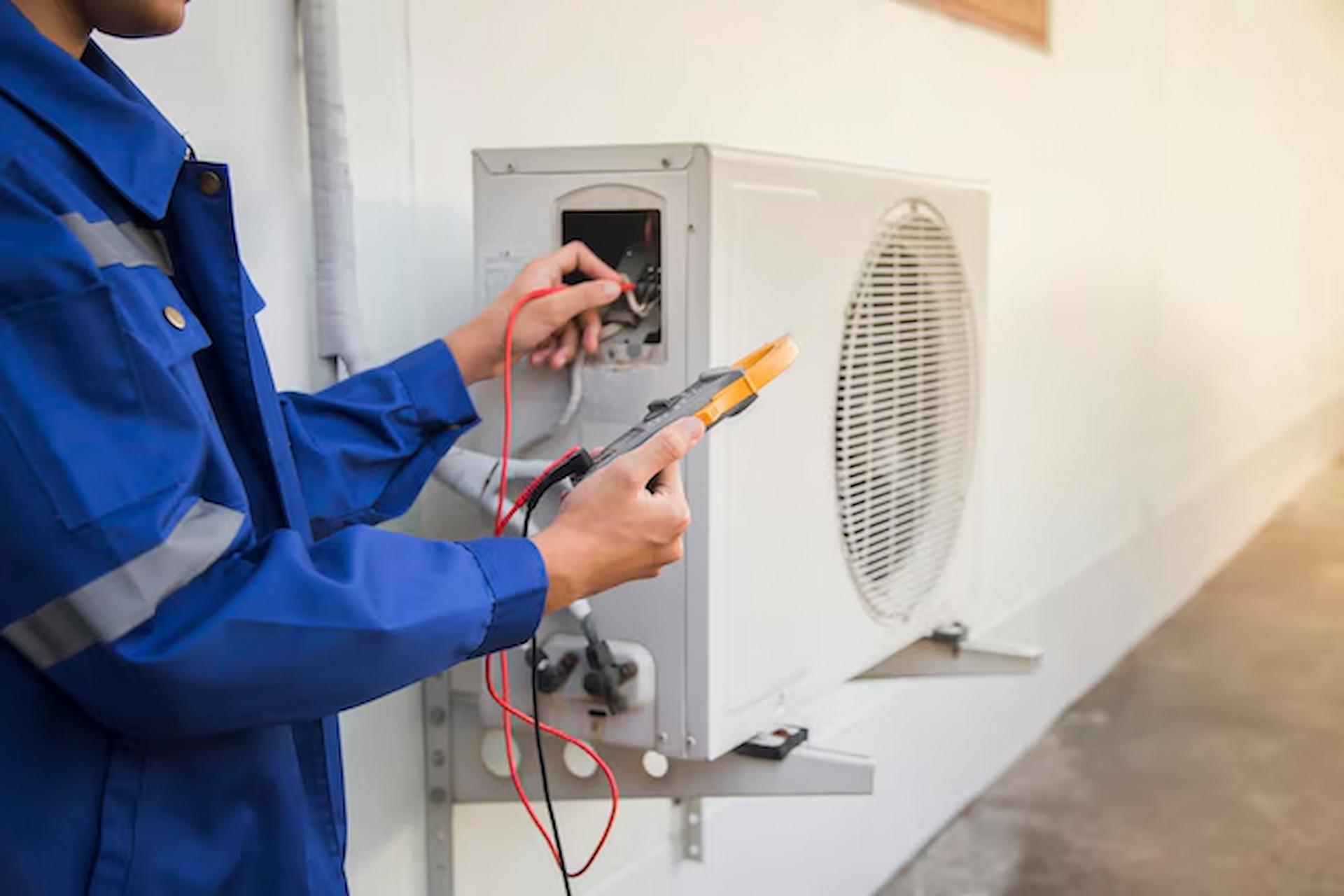
While basic maintenance can be handled at home, professional servicing plays a crucial role in long-term performance. Technicians can identify issues that are not visible to the untrained eye, such as refrigerant leaks, worn-out parts, or electrical faults.
Scheduling annual inspections ensures that your system runs safely and efficiently. A well-maintained unit is less likely to break down unexpectedly, saving both time and money. Preventive servicing is one of the most reliable ways to catch small problems before they turn into major repairs.
Keep Outdoor Units Clean and Unobstructed
The outdoor condenser unit is essential for releasing heat from your home. However, it is often exposed to dirt, leaves, and debris that can block airflow and reduce efficiency.
Maintaining at least two feet of clearance around the unit allows proper ventilation. Regularly removing debris and gently cleaning the fins ensures optimal performance. When airflow is unrestricted, the system operates smoothly and avoids unnecessary stress on critical components.
Check Thermostat Settings for Optimal Performance
An incorrectly set or malfunctioning thermostat can lead to uneven cooling and excessive system usage. Many homeowners unknowingly overwork their AC by setting extremely low temperatures or ignoring calibration issues.
Upgrading to a programmable or smart thermostat allows better control over temperature settings. It helps maintain consistent comfort while reducing unnecessary strain on the system. Proper thermostat management can significantly improve efficiency and prevent avoidable wear.
Seal Ductwork to Prevent Energy Loss
Leaky ducts can cause cooled air to escape before it reaches your living space. This forces the AC to run longer cycles, increasing both energy usage and system stress.
Inspecting ductwork for leaks and sealing gaps ensures that conditioned air is delivered efficiently. Proper insulation further enhances performance by maintaining consistent temperatures. Addressing duct issues not only improves comfort but also reduces the risk of system overwork.
Monitor Unusual Sounds and Performance Changes
Air conditioning systems often give early warning signs before a breakdown occurs. Strange noises, reduced cooling, or unusual odours should never be ignored.
These signs may indicate loose components, electrical issues, or internal damage. Acting quickly when these symptoms appear can prevent minor problems from escalating into expensive repairs. Staying attentive to your system’s behaviour is a key part of preventive care.
Avoid Overworking the System During Peak Heat
Running your AC continuously at maximum capacity during extreme heat can accelerate wear and tear. While it is tempting to rely heavily on the system, overuse can lead to overheating and component failure.
Using ceiling fans, closing curtains during the day, and maintaining moderate temperature settings can reduce the load on your AC. Balanced usage helps maintain efficiency while protecting the system from unnecessary strain.
Final Thoughts
Preventing unexpected cooling issues is less about complex fixes and more about consistent, proactive care. Small actions—like changing filters, scheduling inspections, and monitoring system performance—can make a significant difference over time.
By adopting these habits, you not only improve efficiency but also extend the life of your system and reduce repair costs. A well-maintained AC unit delivers reliable comfort without the stress of sudden breakdowns.
