
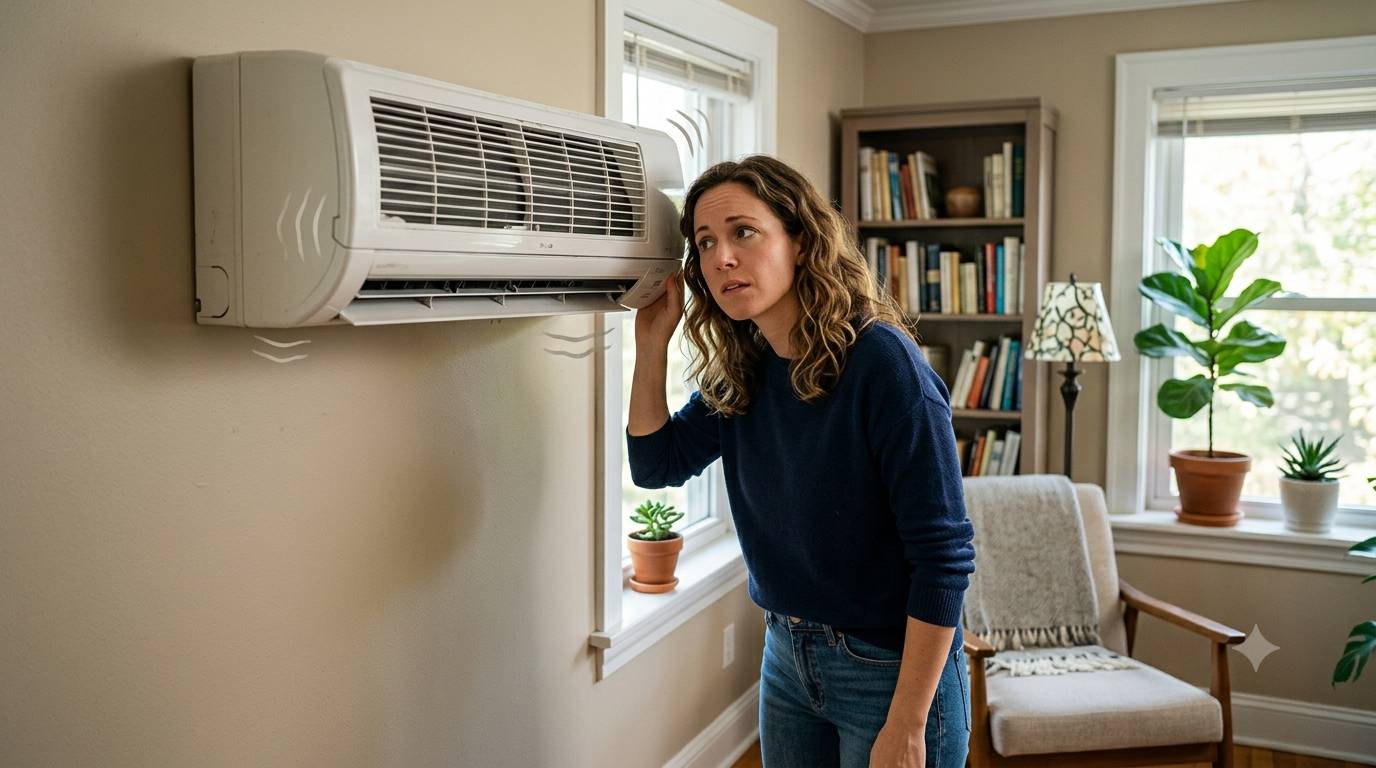
Your air conditioner should generally operate with a consistent, familiar hum. When it suddenly starts rattling, buzzing, squealing, clicking, or making other unusual noises, it is often a sign that something has changed inside the system. While some sounds may have a simple explanation, others can point to mechanical problems that become more expensive when left unresolved. Paying attention early and arranging fast AC repair when needed can help prevent a minor issue from turning into a major breakdown.
Strange AC Sounds Are Often Early Warning Signs
Air conditioners contain several moving and electrical components that work together every time the system runs. Fans spin, motors operate, refrigerant circulates, and electrical components control the system’s various functions. Because of this, an unfamiliar sound should not automatically be dismissed as normal operating noise.
A new or increasingly loud sound can indicate that a component is loose, worn, obstructed, or struggling to operate correctly. The earlier the problem is identified, the more likely it is that the underlying issue can be addressed before it affects other parts of the system.
Ignoring the noise does not necessarily mean the problem will disappear. In many cases, continued operation places additional stress on the affected component.
What Different AC Noises Can Mean
Not every sound points to the same problem. Identifying when and where the noise occurs can provide useful clues about what may be happening.
Rattling or Clanking
A rattling sound may indicate that something inside the air conditioner has become loose. It could involve a panel, screw, fan component, or another part that is vibrating while the system operates.
A more pronounced clanking noise deserves particular attention. If a moving component is loose or damaged, continued operation could potentially cause additional wear. Turning the system off and having it inspected can be a sensible precaution, especially if the sound suddenly becomes loud.
Buzzing
A buzzing sound may come from an electrical component, motor, or another part of the system. In some situations, buzzing can be associated with loose electrical connections or components that are struggling to function properly.
Because electrical problems can present safety concerns, homeowners should avoid attempting to diagnose or repair electrical AC components themselves. If buzzing is persistent or accompanied by other unusual behavior, professional evaluation is appropriate.
Squealing or Screeching
High-pitched squealing can be associated with moving components such as belts, bearings, or motors, depending on the type of air-conditioning system.
A belt that is worn or slipping may produce a noticeable squeal. Similarly, a motor with worn bearings may become increasingly noisy as it operates. These problems can worsen with continued use, making early attention worthwhile.
Clicking
Some clicking is normal when an air conditioner starts or stops. However, repeated clicking that continues during operation may indicate a problem.
Electrical controls, relays, or other components may be involved. If the clicking is new, unusually frequent, or accompanied by cooling problems, it should not be treated as ordinary system noise.
Hissing
A hissing sound can sometimes be associated with air escaping or refrigerant-related problems. The exact cause depends on where the sound originates and when it occurs.
If hissing is accompanied by reduced cooling performance, ice buildup, or other changes in system behavior, professional inspection is important. Refrigerant systems require specialized equipment and should not be handled as a do-it-yourself repair.
Why Delaying Repairs Can Cost More
One of the biggest reasons to take unusual AC noises seriously is that small mechanical problems can place additional strain on the system.
For example, a worn component may continue functioning for a while, but operating under increased friction or stress can contribute to further deterioration. A loose part can potentially damage nearby components. An electrical issue may also affect other parts of the system if it remains unresolved.
That does not mean every unusual noise will result in a major repair. Sometimes the cause is relatively straightforward. The problem is that homeowners cannot always determine the seriousness of an issue simply by listening to it.
Addressing the noise while the system is still operating can give a technician an opportunity to identify the cause before the AC stops working altogether.
Pay Attention to Other Changes
Sound is only one part of the picture. Strange noises become more concerning when they appear alongside other changes in performance.
Watch for signs such as:
- Reduced airflow from the vents
- Uneven cooling between rooms
- Longer cooling cycles
- Unusual odors
- Water around the indoor unit
- Ice forming on components
- Unexpected increases in energy use
- The system turning on and off more frequently than usual
A combination of unusual noise and reduced performance provides an even stronger reason to have the system evaluated.
When You Should Turn Off the AC
Not every unfamiliar sound requires immediate shutdown, but certain situations warrant extra caution. If the AC produces loud grinding, severe clanking, burning smells, smoke, sparks, or unusual electrical sounds, turn the system off and seek professional assistance.
Continuing to run an air conditioner that appears to have a serious mechanical or electrical problem can increase the risk of further damage.
If the sound is relatively mild but persistent, you may still want to arrange an inspection rather than waiting for a complete breakdown. Keeping track of when the noise occurs can also help a technician identify the underlying issue.
Avoid DIY Repairs When the Cause Is Unclear
It can be tempting to remove a panel or attempt to tighten, lubricate, or replace a component after hearing an unfamiliar sound. However, air conditioners contain electrical connections, moving parts, and pressurized refrigerant systems.
Without the appropriate knowledge and equipment, attempting a repair can create additional damage or introduce safety risks. A qualified HVAC professional can inspect the system, determine where the sound is coming from, and identify whether a component needs adjustment, repair, or replacement.
Homeowners can still perform basic maintenance, such as keeping the area around an outdoor unit clear and replacing or cleaning filters according to the manufacturer’s recommendations. More complex problems are best left to trained technicians.
A Quiet AC Is Easier to Maintain
You do not need to become an expert in HVAC systems to recognize when your air conditioner sounds different. Simply knowing the normal operating sound of your system makes it easier to notice changes.
When an unfamiliar noise appears, consider when it happens, whether it gets louder over time, and whether the AC’s cooling performance has changed. Those details can be useful during a professional inspection.
Most importantly, do not wait for a strange sound to become a complete system failure. Early attention can help identify developing problems, protect other components from unnecessary strain, and potentially reduce the scope of the eventual repair.
Final Thoughts
An unusual AC sound is easy to dismiss, particularly when the system is still producing cool air. But strange noises can be an early indication that something inside the system is no longer working as it should.
Whether you hear rattling, buzzing, squealing, clicking, or hissing, pay attention to the change. If the noise persists or appears alongside other performance problems, having the system professionally inspected is a practical step. Addressing issues early can help keep your air conditioner operating reliably and reduce the chances of an unexpected breakdown when you need cooling the most.
