
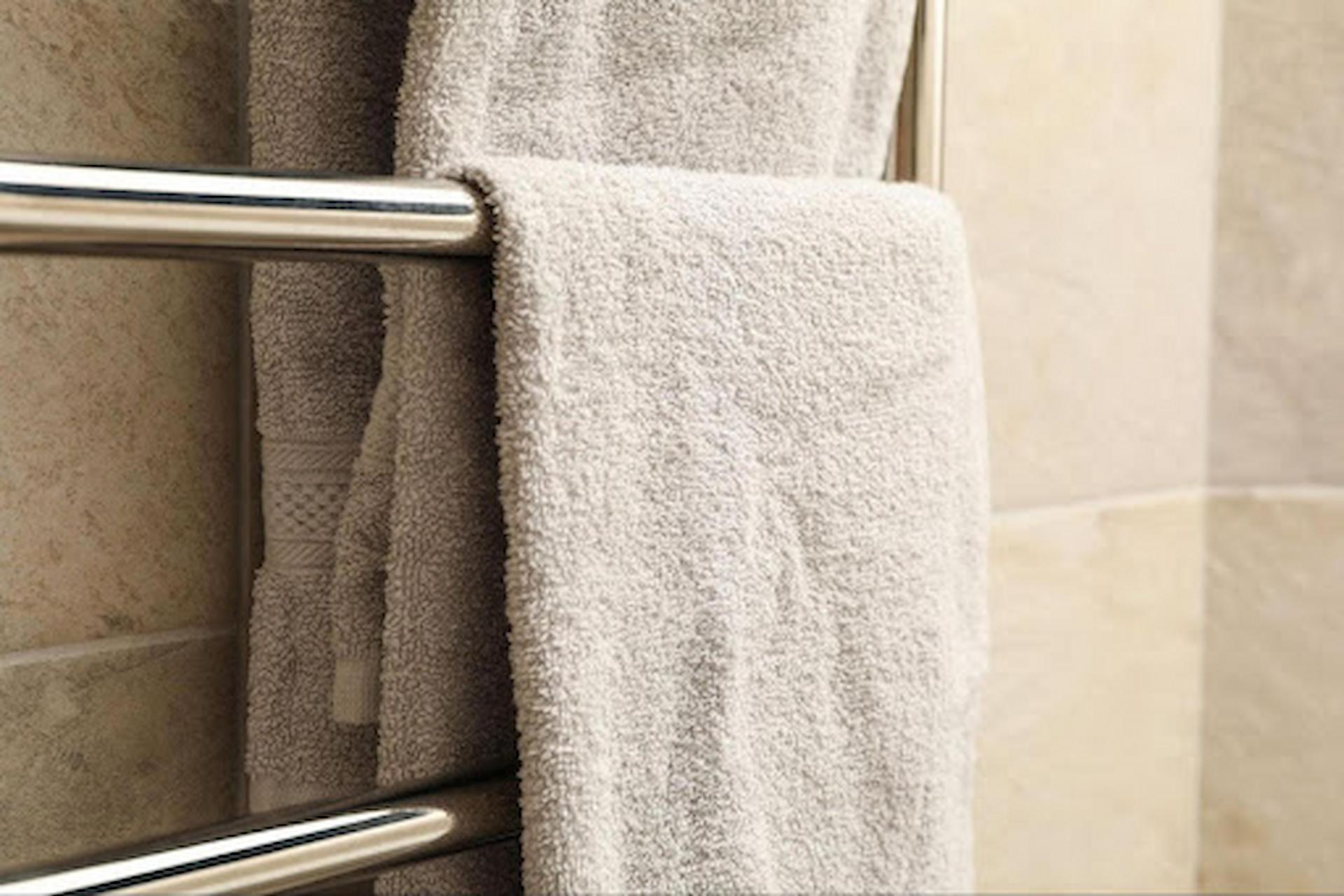
Dual fuel towel rails bring together everyday comfort and energy efficiency in one sleek solution. Enjoy luxuriously warm towels year-round while maintaining greater control over energy use, even when central heating is off. With flexible operation, reduced running costs, and added convenience for modern bathrooms, dual fuel systems balance performance and practicality without compromise.
Bathrooms have evolved beyond purely functional spaces. They are now expected to offer comfort, warmth, and efficiency in equal measure. Heating plays a central role in that shift, particularly in smaller rooms where temperature changes are felt immediately. Dual fuel towel rails have emerged as a practical solution, combining two power sources to deliver consistent performance across seasons without unnecessary energy use.
Unlike traditional options that rely on a single heating method, these systems are designed to adapt. They can operate alongside a central heating system during colder months and switch to electricity when the main system is off. This flexibility makes them especially appealing in homes seeking greater control over energy use without sacrificing everyday comfort.
Why Bathrooms Need Smarter Heating Choices
Bathrooms lose heat quickly due to hard surfaces, ventilation, and frequent water use. A heating solution that responds efficiently to these conditions is essential.
Modern towel rails are expected to do more than warm towels. They help maintain room temperature, reduce dampness, and contribute to overall indoor comfort. When heating is inefficient or poorly timed, energy is wasted and comfort suffers. Dual-powered designs address this challenge by allowing users to choose the most suitable energy source at any given time.
This adaptability supports both comfort and responsible energy use, particularly in homes where heating demands vary across the day or year.
What Dual Fuel Means in Simple Terms
At its core, dual fuel heating refers to a system that can run on two different energy sources. In this case, a towel rail connects to central heating and also includes an electric element.
During winter, the rail typically runs as part of the home’s heating circuit. When warmer weather arrives and central heating is switched off, the electric element can be used independently. This ensures warm towels and a comfortable bathroom even outside the main heating season.
The concept is straightforward, but the benefits extend well beyond convenience.
How Dual Fuel Towel Rails Work in Practice
Integration with Central Heating
When connected to central heating, the towel rail functions like a small radiator. Hot water circulates through the rail, warming both the towels and the surrounding air. This mode is energy-efficient during colder months because it uses heat already being generated for the home.
Independent Electric Operation
The electric element allows the rail to operate on its own. This is particularly useful in spring, summer, or early autumn when full heating is unnecessary. A simple switch or timer activates the element, delivering warmth only when required.
By separating towel heating from whole-house heating, energy use becomes more targeted and controlled.
Energy Advantages Worth Noting
Energy efficiency is often discussed in abstract terms, but dual fuel systems offer clear, practical gains.
According to UK household energy studies, space and water heating together account for over half of domestic energy consumption. Any solution that reduces unnecessary heating time can make a meaningful difference.
Dual-powered towel rails help by:
- Reducing reliance on central heating during mild weather
- Allowing short, controlled heating periods
- Preventing the need to heat unused rooms
This focused approach supports lower energy use without compromising comfort in frequently used spaces like bathrooms.
Seasonal Flexibility Without Compromise
One of the strongest advantages of these systems is their adaptability across seasons.
In winter, they contribute to overall bathroom heating as part of the wider system. In summer, they operate independently, avoiding the inefficiency of running a boiler solely for towel warmth.
This seasonal flexibility aligns well with modern energy habits, where households aim to heat only what is necessary, when it is necessary.
Comfort Benefits Beyond Warm Towels
Improved Bathroom Warmth
Bathrooms are often colder than other rooms. A towel rail that can be activated independently helps maintain a pleasant temperature, particularly during early mornings or late evenings.
Reduced Dampness
Consistent warmth supports faster towel drying, which in turn reduces moisture levels. Lower humidity can help limit condensation and maintain a fresher bathroom environment.
Consistent Daily Use
Because these systems are easy to control, they encourage regular, efficient use rather than prolonged heating. This consistency enhances comfort without encouraging waste.
Design and Space Efficiency
Modern towel rails are designed to suit a wide range of bathroom sizes and styles. Vertical designs maximise wall space, while slim profiles prevent the room from feeling crowded.
The dual fuel function does not require additional visible components beyond a discreet electric element. As a result, the visual impact remains clean and uncluttered, supporting both modern and traditional interiors.
Installation Considerations Explained Simply
While the concept is easy to understand, installation should always be handled professionally.
A dual-powered towel rail requires:
- Connection to the central heating system
- Safe installation of an electric element
- Proper electrical compliance
Once installed, operation is straightforward. Many models support timers or thermostatic controls, making it easier to manage heating times and energy use.
Is Dual Fuel Right for Every Home?
Dual fuel towel rails are particularly well suited to homes where central heating is not required year-round. Properties with seasonal heating patterns, well-insulated interiors, or a desire for room-specific control often benefit the most.
They may be less impactful in homes where heating runs continuously throughout the year. However, even in such cases, the added flexibility and control can still support comfort improvements and more efficient habits.
Practical Energy Control Made Simple
Heating efficiency improves when control improves. Dual-powered systems encourage users to think in terms of need rather than routine.
Instead of heating the entire house for one warm towel, users can activate a single element for a short period. This shift in behaviour supports energy awareness without requiring complex technology or constant adjustment.
Maintenance and Longevity
These towel rails are built for regular use across different modes. Maintenance requirements are similar to standard towel rails, with the added benefit that electric components are designed for long-term reliability.
Keeping the system in good condition involves:
- Occasional checks of electrical connections
- Ensuring valves operate smoothly
- Following manufacturer guidance for use
With proper care, these systems offer durable performance over many years.
Actionable Tips for Making the Most of Dual Fuel Heating
- Use timers to limit heating to specific times of day
- Switch to electric mode during warmer months to avoid unnecessary boiler use
- Choose a rail size that matches bathroom dimensions to prevent overheating
- Combine towel rail heating with good ventilation for balanced comfort
Small adjustments like these can significantly improve both comfort and efficiency.
The Broader Shift Toward Smarter Home Heating
Home heating is moving toward flexibility and control rather than constant output. Solutions that allow room-by-room decisions are increasingly valued, especially as energy awareness grows.
Dual-powered towel rails fit naturally into this shift. They offer a balance between traditional heating systems and more targeted electric solutions, supporting modern expectations without requiring major changes to existing infrastructure.
Overall Summary
As households reassess how and when they use energy, bathroom heating deserves careful consideration. Dual fuel towel rails offer a thoughtful balance of comfort, flexibility, and efficiency that suits contemporary living patterns.
They provide warmth when it is genuinely needed, avoid unnecessary whole-house heating, and support better control over daily energy habits. For homeowners seeking practical improvements rather than complex upgrades, this approach delivers clear value.
The next step is simple: review how your bathroom is heated today and consider whether greater flexibility could improve comfort and efficiency. Small changes in focused spaces often lead to meaningful improvements across the home.
