
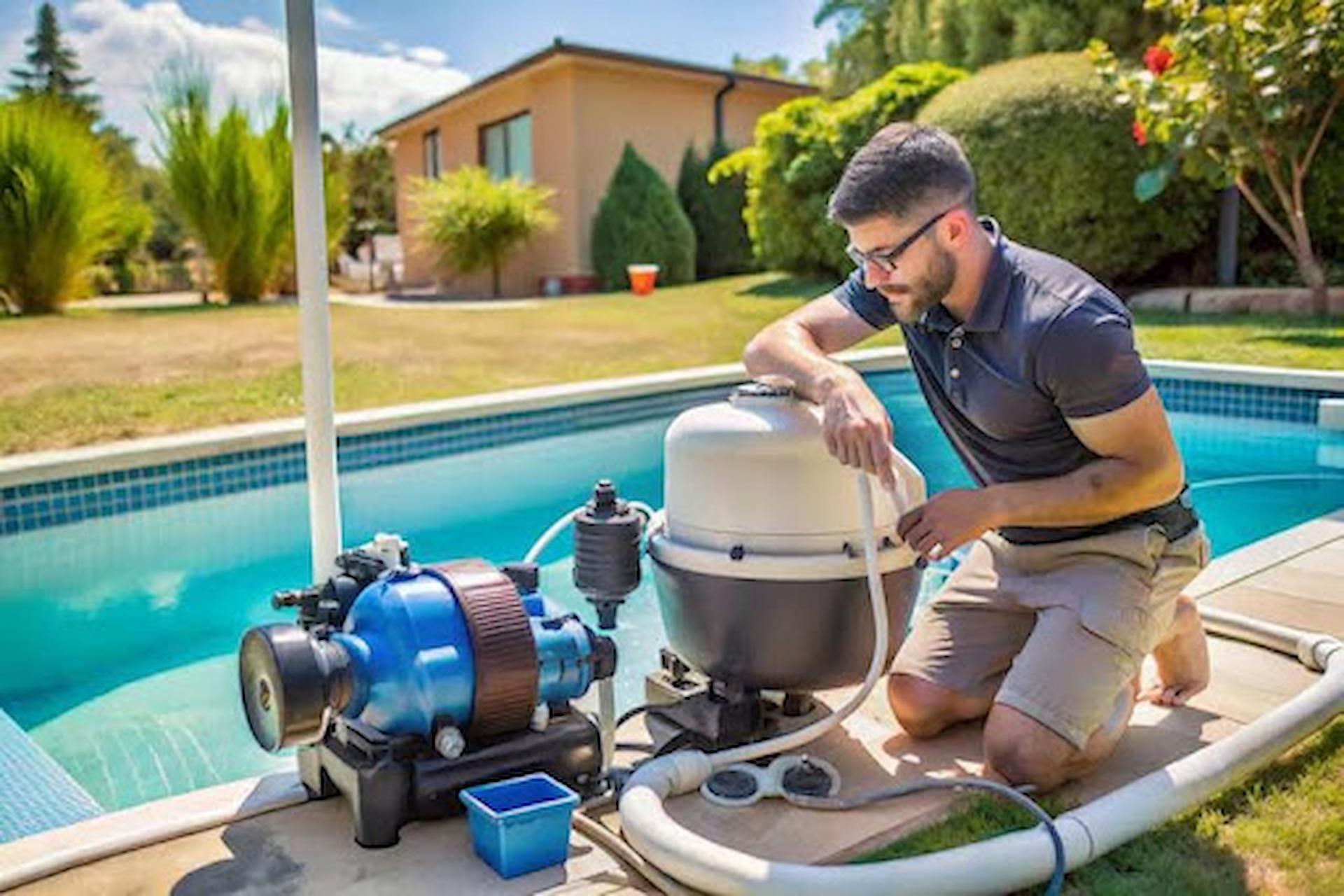
Clear water, lower energy bills, and quieter operation all begin with one decision most pool owners overlook. The pump you choose shapes daily performance, long-term costs, and overall water quality. Understanding how different systems work makes it easier to invest wisely and keep your pool running smoothly.
A swimming pool may look calm on the surface, but behind the scenes, swimming pool pumps do the hard work. They move water through filters, heaters, and sanitation systems to keep it clean and safe. Choosing the right pump is not about buying the biggest model—it is about matching efficiency, performance, and running costs to how your pool is actually used.
Why the Right Pump Matters More Than You Think
Pool pumps are often the largest energy consumers in a residential or commercial pool setup. Studies across the pool industry consistently show that pumps can account for up to 70% of a pool’s electricity use. An inefficient or poorly matched system can quietly inflate energy bills month after month.
Beyond cost, the right pump supports:
- Stable water circulation
- Better filtration and hygiene
- Reduced strain on filters and pipes
- Longer equipment lifespan
When these factors align, maintenance becomes simpler and water quality stays consistent.
Understanding the Core Pump Types
Not all pumps operate the same way. Knowing the basic categories helps narrow down the right option without technical overload.
Single-Speed Pumps
These operate at one fixed speed. While simple and affordable upfront, they consume the most electricity because they always run at full power—even when it is unnecessary.
Dual-Speed Pumps
Dual-speed models offer a high and low setting. The lower speed handles everyday circulation more efficiently, while the higher speed supports tasks like vacuuming or backwashing.
Variable-Speed Pumps
Variable-speed pumps allow precise control over flow rates. By running at lower speeds for longer periods, they can reduce energy use by up to 80% compared to single-speed systems. Though the initial cost is higher, long-term savings often offset it.
Matching Pump Size to Pool Needs
One of the most common mistakes is oversizing a pump. Bigger is not better in pool systems. An oversized pump can:
- Increase energy consumption
- Cause excessive water velocity
- Reduce filtration effectiveness
Pump sizing is based on flow rate—the volume of water moved per minute—and the pool’s total water volume. The goal is to circulate the entire pool within a reasonable timeframe, not as fast as possible.
Flow Rate Explained
Flow rate determines how quickly water passes through the system. Too fast, and filters cannot trap debris effectively. Too slow, and circulation suffers. Balanced flow protects both water clarity and equipment health.
Efficiency Features Worth Paying Attention To
Modern pump designs include features that quietly improve performance without added complexity.
Energy Ratings
High-efficiency motors use less electricity to achieve the same circulation. Over a year, this difference can be substantial.
Noise Reduction
Quieter pumps often indicate smoother motor operation and better internal design. Lower noise is also a sign of reduced vibration, which helps extend component life.
Smart Controls
Some systems allow scheduling and speed adjustments. Running pumps during off-peak hours or at reduced speeds during low-demand periods cuts unnecessary energy use.
Maintenance and Longevity Considerations
Efficiency is not only about power consumption—it is also about reliability. A pump that is easy to maintain stays efficient for longer.
Look for:
- Durable seals to prevent leaks
- Corrosion-resistant materials
- Accessible components for cleaning
Regular inspection and cleaning of baskets and filters ensure the pump does not work harder than necessary.
Key Takeaways for Smarter Pump Selection
Before making a final decision, keep these practical points in mind:
- Match the pump to actual pool size, not assumptions
- Prioritise variable or dual-speed systems for energy savings
- Avoid oversizing, which increases wear and costs
- Check efficiency ratings, not just purchase price
- Plan for long-term operation, not short-term savings
These steps help balance upfront investment with ongoing efficiency.
Making Efficiency a Long-Term Advantage
At the centre of any effective circulation system, swimming pool pumps should support water quality without driving up running costs. Efficiency comes from thoughtful selection, not complexity. A well-chosen pump works quietly in the background, maintaining clear water while consuming only what it needs.
Final Thoughts
Choosing the right pool pump is not a technical challenge reserved for specialists. It is a practical decision that affects daily operation, energy use, and long-term maintenance. When efficiency becomes the priority, the benefits are steady and measurable—cleaner water, lower bills, and fewer mechanical issues over time. Instead of focusing solely on upfront price, consider how the system will perform year after year. A pump that aligns with your pool’s size, usage pattern, and circulation needs quickly proves its value through consistent performance. With informed planning, swimming pool pumps become an asset rather than an expense. Take the time to evaluate your options carefully, seek professional guidance when needed, and commit to a system designed for efficiency from the start. The result is a pool that runs smarter, quieter, and more economically—season after season.
Learn how to choose efficient swimming pool pumps, reduce energy costs, improve circulation, and extend equipment life with smart selection tips.
