
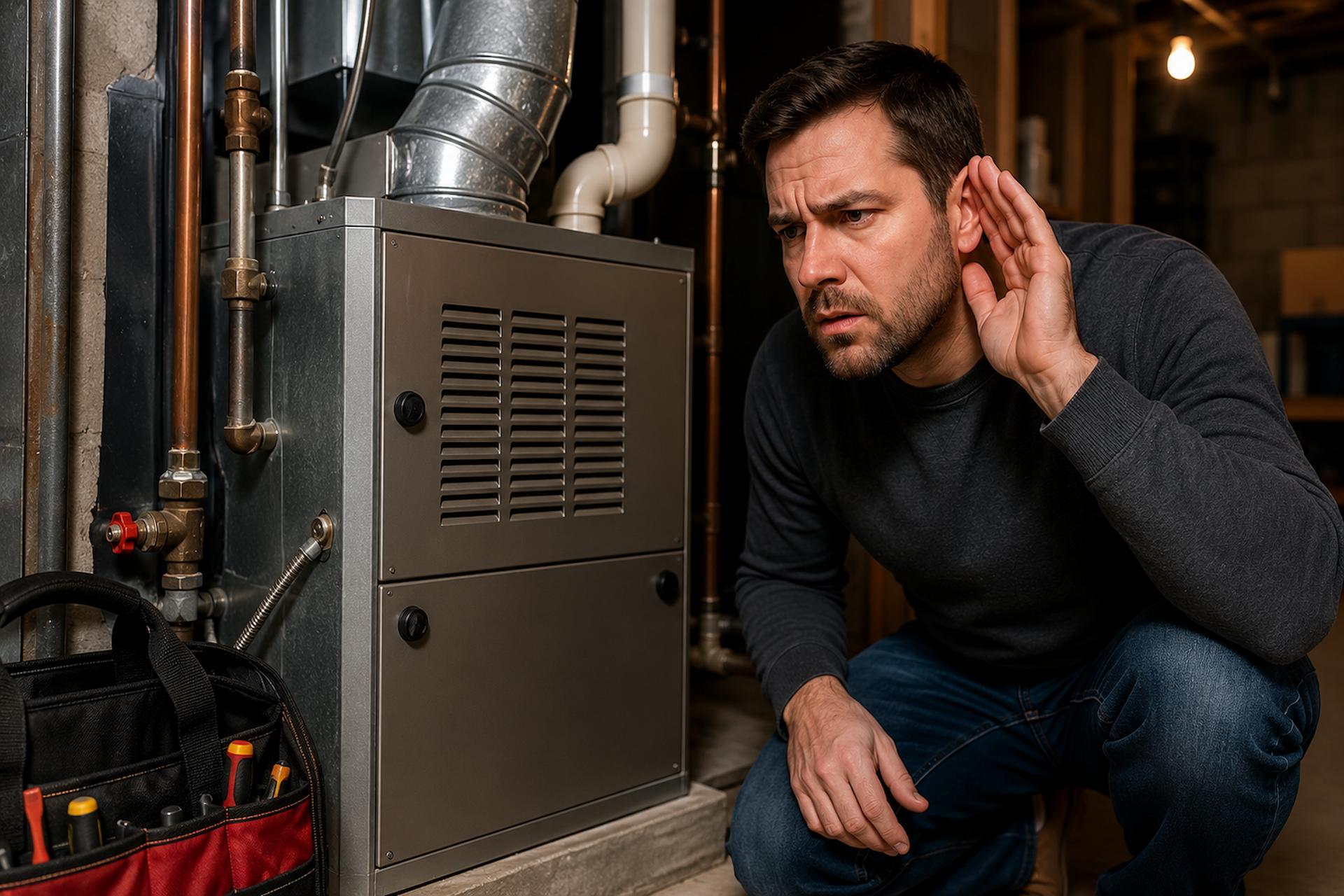
It’s a cold evening, the temperature is dropping, and you’ve just settled in with a book when a sudden bang echoes from your heating system. Or perhaps it’s a persistent rattling that seems to grow louder with each cycle. Strange noises from your heater can be unsettling, raising questions about safety, efficiency, and potential repair costs. While some sounds are harmless by-products of normal operation, others signal underlying issues that deserve prompt attention.
Many homeowners in areas like Staten Island notice these sounds as winter sets in, often wondering whether to investigate on their own or seek expert help. Recognizing what different noises indicate can help you respond appropriately and avoid minor problems escalating into major headaches. In such situations, timely heating repair in Staten Island can make all the difference, restoring peace and efficiency before small issues become costly disruptions.
Why Heaters Make Strange Noises
Heating systems, whether furnaces, boilers, or heat pumps, contain moving parts, metal components, and airflow pathways that naturally produce some sound during operation. A gentle hum from the blower or occasional clicking as the system ignites is typically normal. However, when noises become louder, persistent, or entirely new, they often point to wear, dirt buildup, or mechanical faults.
Temperature changes cause metal to expand and contract, while fans and motors introduce vibration. Restricted airflow or loose parts amplify these effects. Ignoring unusual sounds risks reduced efficiency, higher energy bills, and in some cases, safety concerns such as carbon monoxide leaks or fire hazards from faulty ignition. Early diagnosis usually leads to simpler, less expensive fixes.
Common Heater Noises and What They Indicate
Different sounds offer clues about specific components. Here are some of the most frequently reported noises and their likely causes, based on typical HVAC behavior.
Banging or booming: This often occurs when the heater starts up. In gas furnaces, it may result from delayed ignition, in which gas builds up briefly before igniting with a small, explosion-like sound. Dirty burners, misaligned components, or incorrect gas pressure commonly contribute. Expanding ductwork can also produce banging as hot air rushes through metal ducts. While occasional duct expansion is benign, repeated loud bangs warrant checking to prevent stress on the heat exchanger.
Rattling or vibrating: Loose panels, screws, or duct connections frequently cause this. Debris inside the blower housing or a failing motor mount can cause parts to shake while the system runs. If the sound resembles metal hitting metal, a bent or unbalanced blower wheel might be rubbing against its housing.
Squealing or screeching: High-pitched noises usually stem from the blower motor or drive belt. Worn bearings, lack of lubrication, or a slipping belt create friction that produces an unmistakable squeal. This sound often worsens over time and can lead to motor failure if left unaddressed.
Whistling or whooshing: Restricted airflow is the usual culprit. A clogged air filter, blocked vents, or dirty ducts force air through narrower passages, creating a whistle. In severe cases, this reduces heating performance and strains the system.
Humming or buzzing: A low, continuous hum might indicate electrical issues, such as a failing capacitor, transformer, or inducer motor. While some humming is normal, louder or persistent buzzing suggests components are working harder than they should.
Clicking or ticking: Brief clicking at startup is often just the ignition sequence or relays engaging. However, rapid or ongoing clicking can signal problems with the flame sensor, ignition system, or electrical controls.
What to Do When You Hear Unusual Sounds: A Step-by-Step Guide
Hearing a new noise does not always mean an immediate emergency, but quick action prevents escalation. Follow these practical steps:
- Stay safe first: If you smell gas or notice any signs of combustion issues (such as soot around vents), turn off the system at the thermostat and emergency shut-off, ventilate the area, and contact a professional or emergency services immediately. Never ignore potential carbon monoxide risks—install and maintain working detectors.
- Observe and document: Note when the noise occurs (startup, shutdown, or continuously), its volume, and any accompanying symptoms like weak airflow, uneven heating, or unusual smells. This information helps technicians diagnose faster.
- Perform basic checks: Replace or clean the air filter if it looks dirty, as this resolves many whistling or reduced-performance issues. Ensure vents are open and unobstructed. Tighten any visibly loose access panels safely, but avoid opening internal components unless qualified.
- Listen for patterns: Normal operational sounds tend to be consistent and quiet. New, loud, or worsening noises usually indicate a developing problem.
- Schedule professional inspection: For persistent or concerning sounds, especially banging, screeching, or grinding, call a qualified technician. Attempting complex repairs yourself can void warranties or create safety risks.
In many cases, addressing the issue early through heating repair in Staten Island restores quiet, efficient operation and extends the system’s lifespan.
When Professional Help Is Essential
Certain situations clearly require expert intervention rather than DIY efforts. Professional service ensures accurate diagnosis using specialized tools and adherence to safety standards.
- Loud banging or booming that happens every cycle, potentially indicating delayed ignition or heat exchanger stress.
- Grinding, scraping, or metal-on-metal sounds, which suggest mechanical damage to the blower assembly.
- Persistent screeching, burning smells, or motor overheating.
- Any noise combined with carbon monoxide alarm activation, gas odors, or visible soot.
- Noises that continue after basic maintenance, like filter changes, or when the system is short-cycling (turning on and off frequently).
Technicians can clean burners, lubricate or replace motors, reseal ducts, and test for dangerous issues like cracked heat exchangers. Regular annual maintenance also catches problems before they produce noticeable sounds.
Preventing Noisy Heaters in the Future
Proactive care reduces the likelihood of strange noises developing. Change air filters every one to three months during heavy use, or more often in dusty homes. Keep the area around the heater clear of debris. Schedule professional tune-ups before each heating season to clean components, check belts and bearings, and verify proper ignition and airflow.
Simple habits like balancing registers for even airflow and ensuring good insulation minimize strain on the system. These steps not only quieten the operation but also improve energy efficiency and indoor air quality.
Conclusion
Strange noises from your heater are rarely random; they serve as early warnings that something needs attention. By understanding common sounds—whether a harmless click or a concerning bang—you can respond confidently and protect your home’s comfort and safety. Most issues are straightforward to resolve with timely maintenance or repair, preventing discomfort during cold weather and avoiding costly breakdowns.
Listen carefully, act promptly when needed, and treat your heating system with the care it deserves. A quiet, reliable heater makes all the difference when temperatures drop.
