
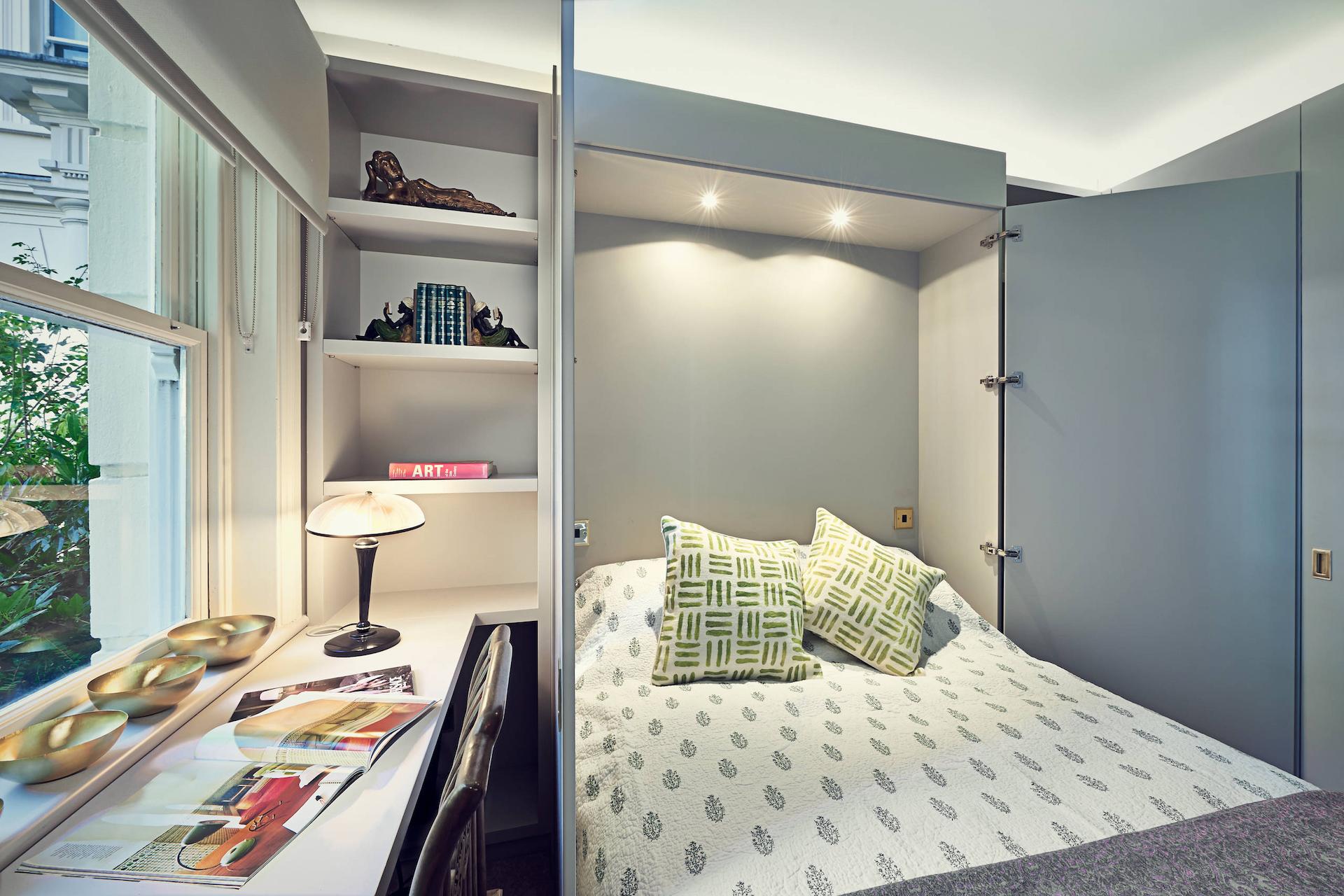
A well-designed guest room can make visitors feel comfortable while adding valuable functionality to your home. This guide explores practical guest room design ideas, flexible furniture solutions, smart storage options, and space-saving strategies that help create a welcoming environment for overnight guests. Learn how to balance comfort, style, and versatility to design a guest bedroom that works beautifully year-round, whether used regularly or only for occasional visitors.
Introduction
When friends or family come to stay, the guest room often becomes a reflection of how welcome they feel in your home. Yet many spare rooms end up as storage areas filled with unused furniture, seasonal decorations, and items that have nowhere else to go. When visitors arrive, the room is quickly tidied, but it rarely feels comfortable or inviting.
A thoughtfully designed guest room does not need to be large, expensive, or luxurious. What matters most is creating a space that feels clean, comfortable, practical, and welcoming. By focusing on your guests’ needs and making smart design choices, you can transform almost any spare space into a room people genuinely enjoy staying in.
Start with Comfort First
The foundation of any great guest room is comfort. No amount of decorative styling can make up for an uncomfortable night’s sleep. A quality mattress should be your first priority. If replacing the mattress is not possible, consider adding a mattress topper to improve support and comfort. Fresh bedding made from breathable fabrics can also make a significant difference to sleep quality.
Think about temperature as well. Guests have different comfort preferences, so providing an extra blanket and a lightweight throw gives them options throughout the night. Pillows are another important detail. Offering a choice of firm and soft pillows allows visitors to find what works best for them.
Create Space for Their Belongings
One of the most common mistakes in guest room design is leaving no space for guests to unpack.
Even short-term visitors appreciate having somewhere to place their belongings rather than living out of a suitcase on the floor. A small chest of drawers, an empty wardrobe section, or a luggage rack can instantly improve the guest experience. A bedside table also provides a practical place for phones, books, glasses, and personal items.
The goal is simple: make the room feel like it belongs to the guest during their stay rather than feeling like they are borrowing someone else’s storage space.
Get the Lighting Right
Lighting plays a major role in both comfort and functionality. Many guest rooms rely on a single ceiling light, which often feels harsh and impractical. Instead, layer different light sources throughout the room.
A bedside lamp makes reading more comfortable and allows guests to avoid getting out of bed to switch off the main light. A floor lamp or table lamp can add warmth and create a more relaxing atmosphere. Natural light is equally important. Consider adding blackout curtains or quality blinds so guests can control light levels and enjoy better sleep.
Focus on Privacy and Convenience
Guests often feel most comfortable when they have a degree of independence. Simple additions can help create that feeling. Ensure window coverings provide adequate privacy, especially if neighbouring properties overlook the room.
Reliable WiFi access is another modern essential. Consider placing the network password in a visible location so guests do not need to ask for it repeatedly.
Charging facilities are equally important. A bedside power outlet or USB charging station can make a surprisingly positive impression. Small conveniences often have the biggest impact because they remove common frustrations during a stay.
Add Thoughtful Touches
A guest room should feel welcoming without becoming cluttered. Fresh towels placed neatly on the bed instantly signal that the room has been prepared specifically for the visitor. A small mirror, a jug of water, and a few coat hangers can also make the room feel more complete.
Consider adding a few personal touches such as artwork, a plant, or a selection of books and magazines. These details create warmth while helping the room feel intentional rather than temporary.
The best guest rooms strike a balance between comfort and simplicity. Visitors should feel relaxed rather than overwhelmed by decoration.
Converting a Home Office into a Guest Room
Not every home has a dedicated spare bedroom. Fortunately, many spaces can serve multiple purposes. A home office is one of the most practical options for conversion. Murphy beds, wall beds, and modern sofa beds allow the room to function efficiently during the day while providing a comfortable sleeping space at night.
When planning a dual-purpose room, focus on maintaining clear floor space and reducing visual clutter. Storage solutions that keep office equipment organised can help the room transition quickly when guests arrive. Consider these practical features:
- Murphy beds or wall beds that fold away when not in use.
- Modern sofa beds that provide comfortable sleeping arrangements.
- Built-in storage to keep office supplies neatly organised.
- Multi-functional furniture that serves both work and guest needs.
- Clear floor space to make the room feel open and welcoming.
- Simple décor that helps the room transition easily between functions.
The result is a flexible space that works year-round instead of sitting unused for most of the year.
Making Use of Basements and Garages
Basements and garages often offer untapped potential for guest accommodation. A finished basement can provide excellent privacy for visitors while creating a quiet retreat away from the main living areas. Good lighting, proper ventilation, and comfortable furnishings are essential to make the space feel welcoming.
Garage conversions can also work extremely well. With appropriate insulation and interior finishing, a garage can become a stylish studio-style guest suite complete with sleeping, seating, and storage areas. These conversions require more planning than a simple bedroom makeover, but they can significantly increase both functionality and property value.
Keep the Space Flexible
The most successful guest rooms are designed for occasional use without sacrificing practicality. Avoid filling the room with oversized furniture that limits flexibility. Instead, choose pieces that can serve multiple functions. A flexible approach ensures the room remains useful whether guests visit once a month or only a few times each year. Consider adding:
- A storage bench that provides seating while keeping extra bedding and pillows neatly stored.
- A foldable desk that can serve as a workspace when needed and be tucked away to free up space.
- A compact wardrobe or slim storage unit for guests’ clothing and personal items.
- A sofa bed or daybed that allows the room to function as both a guest room and a living space.
- Nesting tables or lightweight furniture that can be moved easily for different uses.
- Multi-purpose shelving that combines storage with decorative display space.
By choosing adaptable furniture and maintaining an uncluttered layout, you can create a guest room that remains comfortable, practical, and useful throughout the year.
Frequently Asked Questions
What is the most important feature in a guest room?
A comfortable bed is the most important feature. Guests can overlook many design limitations, but poor sleep will affect their entire stay. Investing in a quality mattress and bedding should always be the first priority.
How much storage should a guest room have?
Even short-term visitors benefit from basic storage. A few drawers, a wardrobe space, luggage storage, and a bedside table are usually enough to help guests organise their belongings comfortably.
Can a home office also work as a guest room?
Yes. Many homeowners successfully combine both functions. Murphy beds, sofa beds, and smart storage solutions allow a home office to transform into a comfortable guest space when needed.
What should be left in a guest room for visitors?
Fresh towels, extra bedding, WiFi details, charging access, and a small supply of essentials such as tissues and drinking water can help guests feel comfortable and independent.
How can I make a small guest room feel bigger?
Use light colours, maximise natural light, minimise clutter, and choose furniture that fits the scale of the room. Mirrors can also help create a greater sense of space.
Is a sofa bed suitable for regular guests?
Modern sofa beds have improved significantly and can be comfortable for short stays. However, a dedicated mattress generally provides better support for frequent visitors.
Conclusion
Creating a guest room that people genuinely enjoy staying in does not require a large budget or a dedicated spare bedroom. It simply requires thoughtful planning and attention to the details that matter most. Comfortable sleeping arrangements, practical storage, good lighting, privacy, and a few welcoming touches can completely transform the guest experience. Whether you are converting a spare bedroom, adapting a home office, finishing a basement, or transforming a garage, the goal remains the same: create a space that feels inviting, functional, and comfortable. When guests feel genuinely cared for, they remember the experience long after their visit ends.
0