
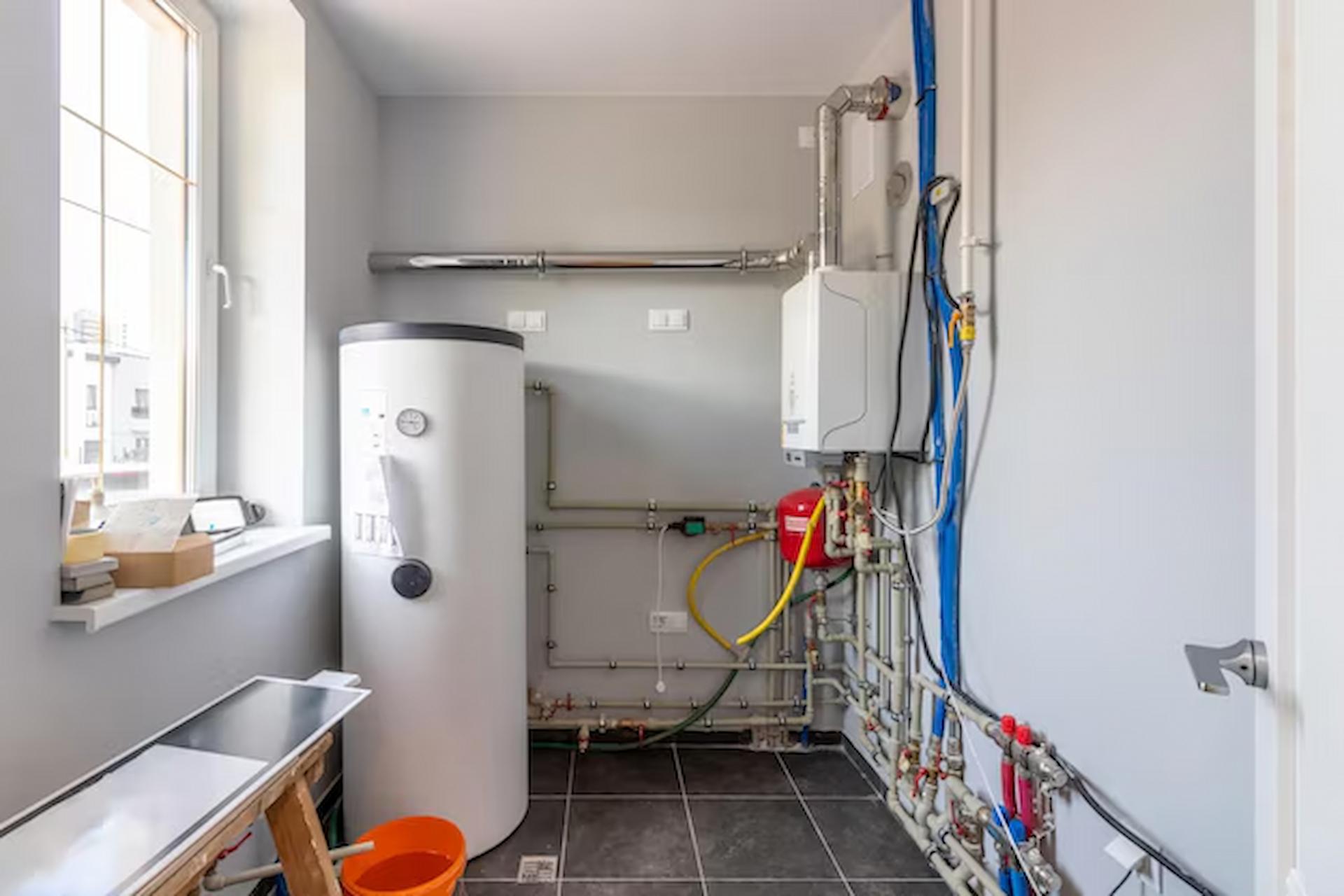
A reliable heating system becomes especially important once temperatures begin to drop. Most homeowners expect their boiler to quietly keep the house warm throughout the colder months, but small performance issues can often appear long before a complete breakdown happens. Ignoring these warning signs may lead to higher energy bills, uneven heating, and expensive emergency repairs later on.
Many heating issues that seem minor at first are actually linked to deeper mechanical faults. Learning more about common boiler problems can help homeowners recognise early signs of trouble before the system becomes unreliable during winter. Paying attention to unusual changes in performance often makes the difference between a simple repair and a major replacement.
Uneven Heating Around the Home
One of the earliest signs of boiler trouble is inconsistent heating. You may notice that certain rooms feel comfortable while others remain noticeably colder, even when the thermostat setting stays the same. This issue often points to circulation problems within the heating system. In some cases, trapped air inside radiators prevents hot water from moving properly through the system. Older boilers may also struggle to distribute heat efficiently due to worn internal components or sludge buildup. If the problem continues despite bleeding radiators or adjusting settings, the boiler itself may require professional attention. Uneven heating not only affects comfort but can also increase energy usage because the system works harder to maintain indoor temperatures.
Strange Noises Coming From the Boiler
Boilers are rarely completely silent, but sudden banging, whistling, clunking, or gurgling sounds should never be ignored. Unusual noises often indicate internal pressure issues, trapped air, or mineral deposits restricting water flow. A common issue known as kettling occurs when limescale or sludge accumulates inside the heat exchanger. This buildup causes water to overheat and create rumbling sounds similar to a boiling kettle. Over time, the added strain can reduce efficiency and damage internal components. Whistling sounds may also point to circulation problems or failing valves. While some noises appear harmless initially, persistent sounds usually signal developing mechanical faults that should be inspected before they worsen.
Rising Energy Bills Without Increased Usage
A sudden increase in heating costs is another common sign that a boiler may not be operating efficiently. Even if household heating habits remain unchanged, an ageing or faulty boiler often consumes more energy to produce the same level of warmth. As internal components wear down, the system must work harder to maintain water temperature and circulate heat effectively. Blocked pipes, pressure issues, and poor combustion efficiency can all contribute to rising utility bills. Homeowners experiencing unexplained increases in monthly costs should investigate potential common boiler problems before efficiency declines further. Addressing these issues early can prevent long-term energy waste and reduce the likelihood of a complete system failure.
Water Leaks and Pressure Problems
Any visible water around the boiler should be treated seriously. Leaks often indicate damaged seals, corrosion, pressure valve issues, or failing internal components. Even a small leak can gradually cause significant damage if left unresolved. Boiler pressure problems also deserve attention. Low pressure may reduce heating performance, while excessively high pressure can place dangerous strain on the system. Frequent pressure fluctuations often point to hidden leaks or expansion vessel faults. Moisture around the boiler can also lead to rust and long-term structural damage. Homeowners should never ignore dripping pipes, damp flooring, or pressure warning lights appearing on the unit.
Inconsistent Hot Water Supply
Many boilers provide both heating and hot water, so problems often become noticeable through inconsistent water temperatures. If hot water suddenly turns cold midway through use or takes longer to heat, the boiler may be struggling internally.
Faulty diverter valves, sediment buildup, and circulation problems commonly affect water consistency. Older boilers may also lose efficiency as components wear over time. While occasional fluctuations can happen, repeated issues usually suggest that maintenance or repairs are needed. Inconsistent hot water can become particularly frustrating during winter when household demand increases. Early inspection helps prevent complete loss of heating and hot water during colder periods.
Frequent Cycling or Unexpected Shutdowns
Boilers should operate in regular heating cycles. If the system constantly switches on and off or shuts down unexpectedly, it may indicate thermostat problems, restricted water flow, overheating, or pressure imbalance. Short cycling places additional stress on the boiler because the system repeatedly starts and stops without completing proper heating cycles. This extra strain accelerates wear on internal components and often increases energy consumption.
Unexpected shutdowns may also signal safety-related issues within the unit. Modern boilers are designed to shut down automatically when faults are detected to prevent damage or unsafe operation. Repeated resets should never be treated as a long-term solution.
The Importance of Preventive Boiler Maintenance
Regular boiler servicing remains one of the most effective ways to prevent unexpected heating failures. Annual inspections allow heating engineers to identify worn components, clean internal systems, check pressure levels, and ensure safe operation before winter demand increases. Routine maintenance also helps extend the lifespan of the system while improving overall efficiency. Boilers that receive regular servicing typically experience fewer breakdowns and lower operating costs over time.
Understanding the early signs associated with common boiler problems allows homeowners to act quickly before small issues become major repairs. Preventive care not only protects the heating system but also improves indoor comfort, energy efficiency, and peace of mind throughout the colder months.
Conclusion
Heating problems rarely appear without warning. Uneven temperatures, strange noises, pressure issues, rising energy bills, and inconsistent hot water often develop gradually before a boiler fails completely. Recognising these signs early allows homeowners to address faults before they become more expensive and disruptive.
A properly maintained boiler provides reliable warmth, lower energy costs, and improved efficiency during winter. By paying attention to small performance changes and scheduling regular servicing, homeowners can avoid unnecessary breakdowns and keep their heating systems running safely and effectively all season long.
